In the ever-evolving world of collectible art toys, few characters have managed to capture global attention quite like Labubu. At first glance, Labubu looks unusual—wide-eyed, slightly chaotic, and carrying a mischievous grin that feels somewhere between playful and unsettling. Yet this odd balance is exactly what makes it unforgettable. Unlike traditional cute mascots designed for instant affection, Labubu thrives in contradiction. It is neither fully adorable nor entirely eerie; instead, it exists in a space where curiosity and emotion collide.
Created by Hong Kong-based artist Kasing Lung, Labubu is part of his imaginative universe known as The Monsters. Over time, it has evolved from a niche designer creation into a global collectible phenomenon, largely popularized through the distribution network and marketing innovation of Pop Mart International Group. Today, Labubu stands not only as a toy but also as a cultural symbol of how modern audiences connect with art, storytelling, and nostalgia in unexpected ways.
Origins: From Illustration to Collectible Universe
Labubu did not begin as a mass-market product. Its roots lie in the sketchbooks of Kasing Lung, whose artistic style blends European fairytale influences with surreal, dreamlike characters. Before Labubu became a physical figure, it existed as a drawing—an expressive creature born from imagination rather than commercial planning. This origin is important because it explains why Labubu feels so emotionally layered compared to many other designer toys.
When Pop Mart International Group recognized the potential of Kasing Lung’s creations, they helped transform these illustrations into collectible figures. Through their blind box system, Labubu transitioned from static artwork into a tangible experience. Each figure became a surprise, a moment of anticipation wrapped in glossy packaging. This transformation marked a shift in how audiences interact with art toys—not just as objects to display, but as experiences to unbox, trade, and emotionally attach to.
Design Language: Cute Chaos and Emotional Duality
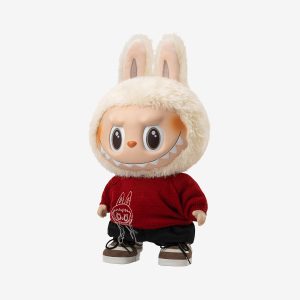
What makes Labubu visually distinctive is its intentional imperfection. Its sharp teeth contrast with soft, rounded facial proportions. Its oversized eyes suggest innocence, while its mischievous grin hints at playful trouble. This duality is not accidental; it is central to its identity.
Rather than conforming to traditional standards of “cute,” Labubu embraces emotional complexity. It reflects a broader trend in modern character design where audiences are drawn to figures that feel alive rather than idealized. Labubu seems to carry personality even in stillness, as if it has just paused after causing harmless chaos in some unseen forest.
This expressive contradiction allows collectors to project their own interpretations onto it. Some see humor, others see loneliness, and many see childhood imagination reinterpreted through a slightly darker lens. This openness of meaning is one of the reasons Labubu resonates across cultures and age groups.
The World of Collecting and Blind Box Culture
A significant part of Labubu’s popularity comes from its integration into blind box culture through Pop Mart International Group. The blind box system removes certainty from the purchasing experience. Buyers do not know which variant they will receive, turning each purchase into a moment of suspense and excitement.
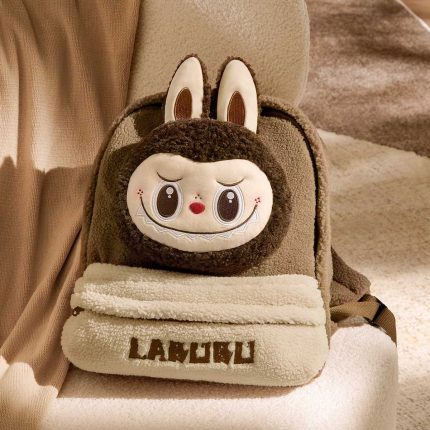
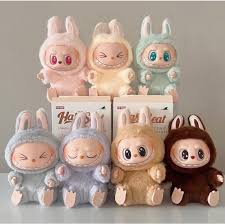
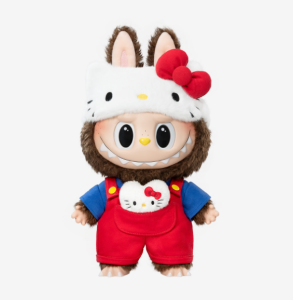
This system has reshaped collecting behavior globally. Instead of buying a single desired figure, collectors often engage in repeated purchases to complete a set or chase rare editions. Labubu, with its multiple themed variations—seasonal costumes, fantasy roles, and artistic reinterpretations—fits perfectly into this structure.
Beyond commerce, this model creates emotional engagement. The anticipation before opening a box, the disappointment of duplicates, and the joy of finding a rare version all contribute to a cycle of emotional investment. Labubu becomes more than a figure; it becomes part of a personal story of discovery and chance.
Global Popularity and Cultural Reach
Labubu’s rise from niche designer toy to global collectible reflects the changing nature of pop culture consumption. Social media platforms have played a significant role in its spread, with collectors showcasing their figures in carefully styled photographs, dioramas, and storytelling arrangements.
Interestingly, Labubu appeals across very different audiences. Art enthusiasts appreciate its design origins. Collectors enjoy its rarity and variation. Casual fans are drawn to its expressive face. This multi-layered appeal has allowed it to cross regional boundaries effortlessly, becoming popular in Asia, Europe, and beyond.
The influence of Pop Mart International Group has also been crucial in this expansion. By building a retail ecosystem around designer toys, they have turned characters like La bubu into accessible yet aspirational items. Physical stores, vending machines, and online drops all contribute to a sense of global participation in the same collectible culture.
Emotional Connection: Why Labubu Feels Alive
One of the most fascinating aspects of Labubu is the emotional response it triggers. Unlike mass-produced toys designed purely for aesthetics, Labubu feels like it carries narrative weight. Its expression suggests curiosity, mischief, and sometimes even vulnerability.
This emotional ambiguity allows collectors to form personal interpretations. Some people imagine Labubu as a forest spirit, others as a playful troublemaker, and some even as a symbolic representation of inner childhood emotions. This openness is rare in commercial design, where characters are often over-defined to maintain branding consistency.
Labubu’s ability to remain interpretively flexible is what keeps it relevant. It does not demand a single meaning; instead, it invites imagination. In a world saturated with predictable character designs, this unpredictability feels refreshing and deeply human.
Artistic Value Beyond Merchandise
While often categorized as a collectible toy, Labubu occupies a space that blurs the boundary between product and art. Kasing Lung’s original artistic vision remains visible in every sculpted detail, from facial expression to posture. Each variant feels like a reinterpretation of a central emotional theme rather than a completely new character.
This artistic continuity elevates Labubu beyond standard merchandising. It becomes part of a larger narrative world, where each figure contributes to an expanding mythology. Collectors are not just buying toys; they are participating in an evolving artistic universe shaped by imagination and collaboration between artist and audience.
In this sense, Labubu reflects a broader shift in contemporary art consumption. Art is no longer confined to galleries; it exists in homes, on desks, and in social media feeds. Labubu is a perfect example of this democratization of artistic expression.
The Future of Labubu and Designer Toy Culture
As designer toy culture continues to grow, Labubu’s influence is likely to remain significant. Its success demonstrates that audiences are hungry for characters that feel emotionally complex and visually distinctive. The collaboration between artists like Kasing Lung and companies like Pop Mart International Group suggests a future where artistic storytelling and commercial distribution continue to merge.
However, the challenge moving forward will be maintaining authenticity. As popularity increases, preserving the original artistic spirit of Labubu will be essential. Collectors are increasingly aware of this balance between mass production and creative integrity.
Still, Labubu’s foundation is strong. It is not just a trend-driven character; it is a reflection of modern emotional aesthetics. Its strange smile, its chaotic charm, and its imaginative origins ensure that it will continue to evolve alongside its audience.