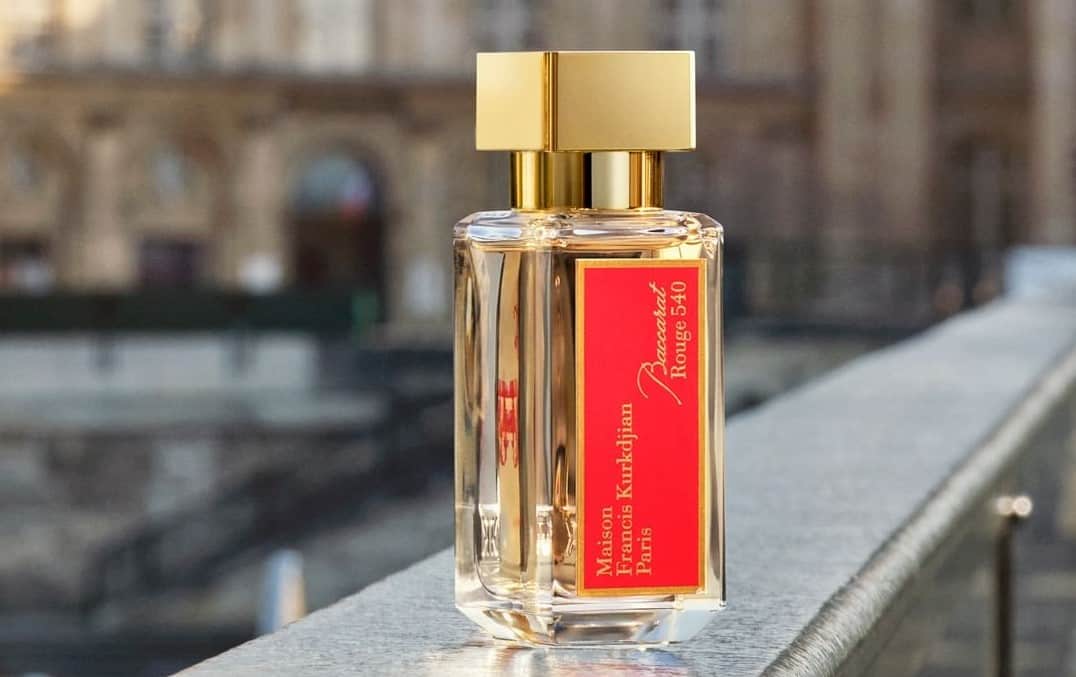
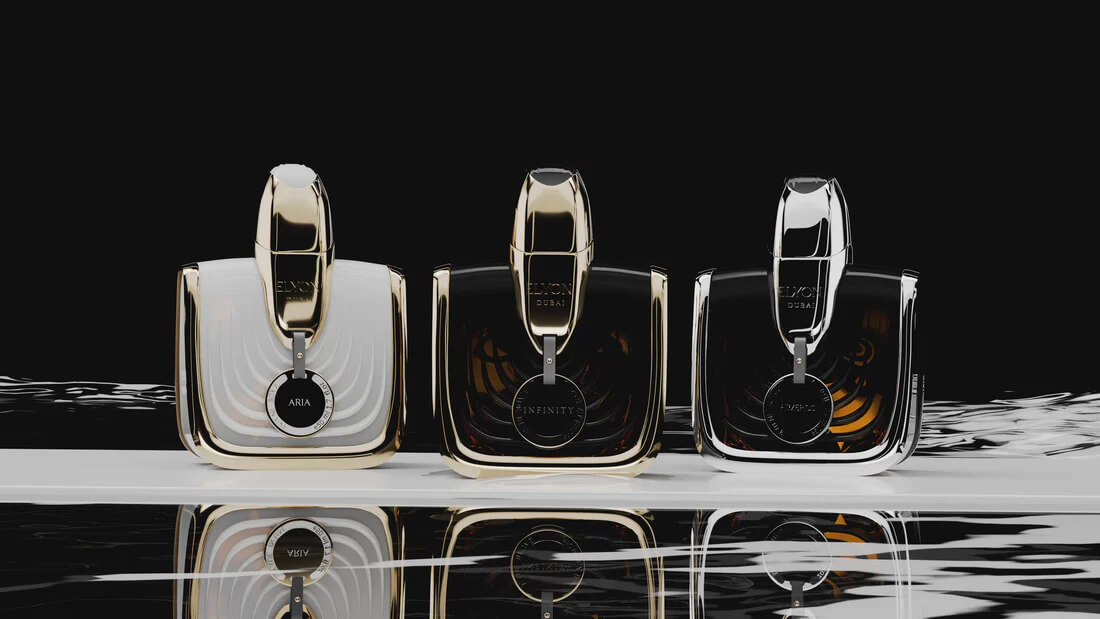
The fragrance industry has changed dramatically over the past two decades. What was once dominated by single, “signature scent” perfumes has evolved into a dynamic, creative space where layering fragrances has become a defining trend. This shift has not only changed how consumers wear perfume but has also reshaped how brands design and market their products. In this guest post, we’ll explore how fragrance layering transformed the market, why it matters, and how modern platforms like experiential learning sites and lifestyle communities.
The Traditional Era of Single-Scent Perfumery
For most of modern fragrance history, perfumes were designed to be worn alone. Luxury houses like Chanel, Dior, and Guerlain built their reputations on complex but complete compositions meant to stand independently.
Consumers were encouraged to find their scent something recognizable, consistent, and tied to identity. Marketing reinforced this idea: a perfume was a personal signature, not a customizable experience.
This model worked well for decades, but it left little room for experimentation. Once a customer purchased a fragrance, their experience was largely fixed.
The Rise of Fragrance Layering Culture
Fragrance layering began as a niche practice among perfume enthusiasts but quickly entered mainstream beauty culture. The idea is simple: combine two or more scents to create a custom fragrance profile.
Instead of one signature scent, consumers could now have multiple variations depending on mood, season, or occasion.
Several factors fueled this shift:
- Social media influence: Platforms like Instagram and TikTok popularized “scent routines” and layering tutorials
- Luxury brand expansion: Brands began releasing complementary body mists, oils, and perfumes designed to mix
- Consumer desire for personalization: Modern buyers want unique experiences, not mass-market uniformity
- Wellness and self-expression trends: Fragrance became part of identity exploration
Layering transformed perfume from a static product into a flexible creative tool.
How Brands Adapted to the Layering Trend
The fragrance industry quickly realized that layering was not just a consumer habit it was a business opportunity.
1. Expansion of Product Lines
Brands began releasing full fragrance wardrobes:
- Eau de parfum
- Body mists
- Perfumed lotions
- Hair fragrances
Each product was designed to be used together, increasing both usage frequency and overall spending.
2. “Build Your Own Scent” Marketing
Luxury houses started encouraging experimentation. Campaigns began featuring messages like:
3. Ingredient Transparency
Layering requires understanding scent notes. As a result, brands became more transparent about ingredients and scent families.
The Consumer Experience Revolution
Fragrance layering has changed the relationship between consumers and perfume in three major ways:
Personalization Over Standardization
Instead of buying one expensive bottle, consumers now build combinations that reflect changing moods and environments.
Increased Product Engagement
A single perfume is no longer the end of the journey. Users return to purchase complementary scents to expand their layering options.
Education-Driven Beauty Culture
People are now more informed about top, middle, and base notes. This has increased demand for workshops, tutorials, and hands-on learning experiences.
Interestingly, this growing appetite for learning and creativity aligns with platforms like experiential class marketplaces. Many users searching for creative activities sometimes alongside queries such as ClassBento discount codes are part of a broader trend toward learning-by-doing in lifestyle and craft industries.
Fragrance Layering as a Lifestyle Movement
Layering is no longer just about perfume. it has become part of a larger lifestyle trend centered on customization.
This includes:
- Mixing skincare scents with perfumes
- Layering scented candles with personal fragrance
- Matching fragrance to mood, weather, or outfit
- Creating “scent wardrobes” for different life moments
This shift reflects a deeper cultural movement: consumers want experiences, not just products.
The Economic Impact on the Fragrance Market
Layering has also had a significant commercial impact.
Higher Customer Lifetime Value
Instead of purchasing one bottle every few months, customers now buy multiple products to build combinations.
Rise of Niche Brands
Smaller perfume houses thrive because layering encourages experimentation. Consumers are more willing to mix niche scents rather than rely on one luxury brand.
Expansion of the Mid-Market
Affordable fragrance brands have benefited the most. Layering allows consumers to mix budget-friendly scents to achieve luxury like complexity.
Digital Influence and Learning Platforms
The fragrance layering trend is closely linked to online learning and creative exploration. Tutorials, masterclasses, and workshops have become essential for beginners.
This is where platforms like ClassBento enter the conversation. Known for offering hands-on workshops in arts, crafts, and sensory experiences, they reflect the growing demand for interactive learning in lifestyle industries. Many users exploring creative hobbies also search for deals when looking for accessible ways to join classes or try new experiences.
These platforms help bridge the gap between curiosity and skill-building, which mirrors the same journey consumers take when learning fragrance layering.
Challenges in the Layering Trend
Despite its popularity, fragrance layering has challenges:
- Over-complexity: Beginners may feel overwhelmed by too many combinations
- Brand confusion: Mixing scents from different brands can lead to unpredictable results
- Overspending: Consumers may buy more products than necessary
- Lack of guidance: Not all brands provide clear layering instructions
However, these challenges also create opportunities for education-focused content and curated fragrance systems.
The Future of Fragrance Layering
The future of fragrance layering looks even more personalized and technology-driven.
We can expect:
- AI-based scent recommendations
- Custom blending stations in retail stores
- Subscription-based fragrance wardrobes
- Smart perfumes that adjust scent intensity
As personalization becomes the norm, layering will likely evolve from a trend into a standard industry practice.
Conclusion
Fragrance layering has completely transformed the perfume market from a fixed identity product to a flexible, creative experience. It has empowered consumers to become co-creators of their scent identity while pushing brands to innovate in product design, marketing, and education.
In this evolving landscape, fragrance is no longer just something you wear it’s something you design. And as consumers continue exploring creative experiences, platforms offering workshops, tutorials, and lifestyle learning often discovered through searches like ClassBento Promo codes will remain closely connected to this broader culture of personalization and sensory creativity.