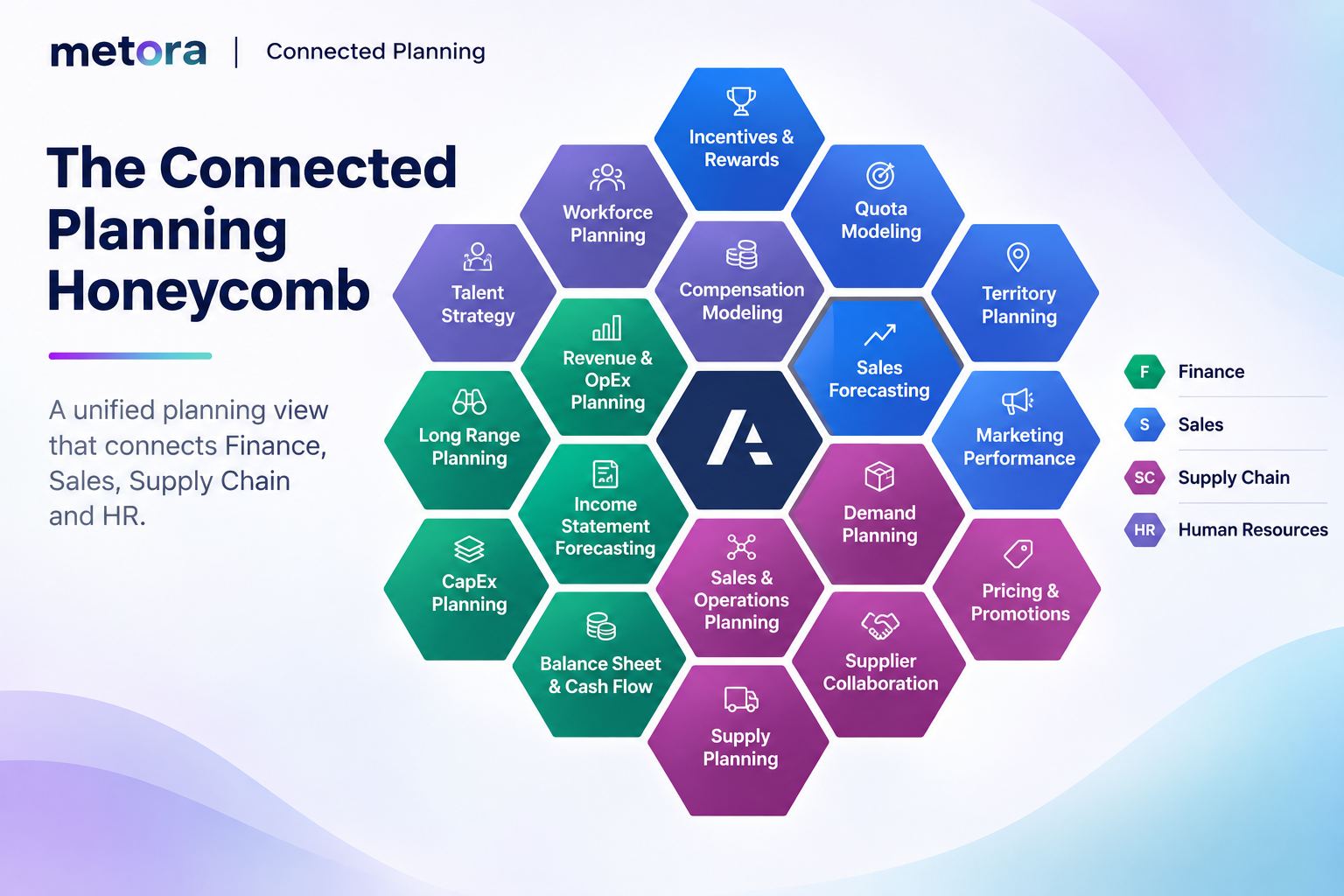
In today’s fast-paced commercial environment, companies across Southeast Asia are actively upgrading their operational infrastructure to maintain strong competitive advantages. Enterprise planning has shifted from static annual exercises to dynamic, real-time routines that connect every division across an organization. Forward-thinking companies seeking to optimize their forecasting frameworks and streamline cross-departmental operations frequently team up with an experienced Anaplan Partner Malaysia to design and deploy scalable cloud-based planning ecosystems. By establishing a unified digital backbone, modern businesses can align financial targets with daily operational execution while remaining flexible enough to adapt to emerging market opportunities.
The Shift Toward Connected Business Intelligence
The landscape of corporate strategy has undergone a major transformation in recent years. Historically, organizations relied on manual spreadsheets and isolated departmental databases to make business predictions. Information moved slowly from regional divisions to corporate headquarters, making real-time decision-making difficult. Today, modern cloud architectures allow companies to integrate their financial modeling, workforce planning, and supply chain management into a single digital platform.
Moving Beyond Disjointed Spreadsheets
While manual spreadsheets are convenient for basic tasks, they become difficult to manage as an organization expands. Multi-entity operations, international currencies, and complex product portfolios require robust digital solutions that enforce data consistency across all divisions.
-
Single Source of Truth: Connected platforms ensure that every department works from identical real-time numbers, eliminating version control issues.
-
Automated Data Flows: Routine data transfers between core Enterprise Resource Planning (ERP) systems and planning models occur automatically, saving valuable time.
-
Streamlined Reporting: Automated reporting templates give executives instant visibility into key performance metrics without manual effort.
Essential Components of Integrated Enterprise Planning
Creating a unified planning architecture requires a thoughtful balance between technology, business processes, and team collaboration. When every department understands how local activities influence corporate targets, overall execution becomes much sharper.
Synchronizing Sales, Workforce, and Financial Objectives
True operational harmony occurs when sales targets, human resource allocations, and inventory procurement plans are linked directly to corporate financial targets. For instance, when sales management increases quarterly revenue projections, supply chain systems automatically recalibrate procurement needs, while workforce models update hiring schedules.
Connecting operational variables directly to financial statements provides executive leadership with complete visibility into how daily decisions impact overall corporate margins.
Dynamic Multi-Scenario Modeling
Market conditions change constantly due to shifts in consumer demand, macroeconomic trends, and global trade environments. Dynamic scenario modeling enables business leaders to test different operational assumptions virtually before allocating real capital or personnel. Executives can instantly compare optimistic, baseline, and conservative scenarios to make informed strategic investments.
Driving Operational Agility with Driver-Based Forecasting
Traditional budgeting often relies on incremental adjustments to historical financial line items. Modern enterprise planning utilizes driver-based models that ground financial projections in primary operational activities, such as units produced, active customer subscriptions, or machine hours.
Key Advantages of Driver-Based Models
-
Higher Forecast Precision: Financial projections reflect real-world operational capacity rather than arbitrary financial goals.
-
Instant Forecast Updates: Adjusting core operational inputs automatically updates financial expectations across all connected modules.
-
Greater Organizational Accountability: Department heads clearly see how local operational metrics influence overall company profitability.
Cultivating a Data-Driven Culture Across the Enterprise
Deploying advanced planning software is most effective when it empowers employees at every organizational level. Providing functional leads with intuitive dashboards fosters a culture of transparency, accountability, and continuous improvement.
Visual charts, custom reporting views, and automated variance alerts enable functional managers to track unit performance independently, freeing executive leadership to focus on long-term corporate growth strategy.
Achieving Long-Term Value Through Strategic Partnerships
Implementing a connected digital platform requires careful model architecture, robust security configurations, and comprehensive user training. To ensure a smooth transition and maximize system value, organizations regularly engage specialized Data consultants who bring technical expertise, industry best practices, and proven implementation frameworks to every project stage.
Conclusion
Upgrading enterprise planning and governance structures is an essential strategy for organizations striving for sustained operational growth. By moving beyond static spreadsheets and implementing unified digital planning platforms, enterprises achieve real-time operational clarity, enhance forecasting precision, and build lasting business agility. Embracing connected intelligence ensures corporate strategy remains responsive, enabling business leaders to guide their organizations toward sustainable long-term prosperity.
Frequently Asked Questions
What is the main benefit of connected planning over traditional budgeting?
Connected planning links data and workflows across finance, sales, HR, and supply chain in real time, whereas traditional budgeting relies on isolated spreadsheets that require manual data aggregation and quickly become outdated.
How does dynamic scenario modeling help business leaders manage risk?
Dynamic scenario modeling enables executive teams to simulate various operational conditions and market shifts virtually, allowing them to evaluate financial impacts and evaluate risk mitigation strategies before allocating real capital.
Why is cross-departmental data integration important for growing companies?
Integrating data across departments prevents operational misalignments, inventory shortages, and unexpected budget overruns by ensuring every team works from identical real-world information.