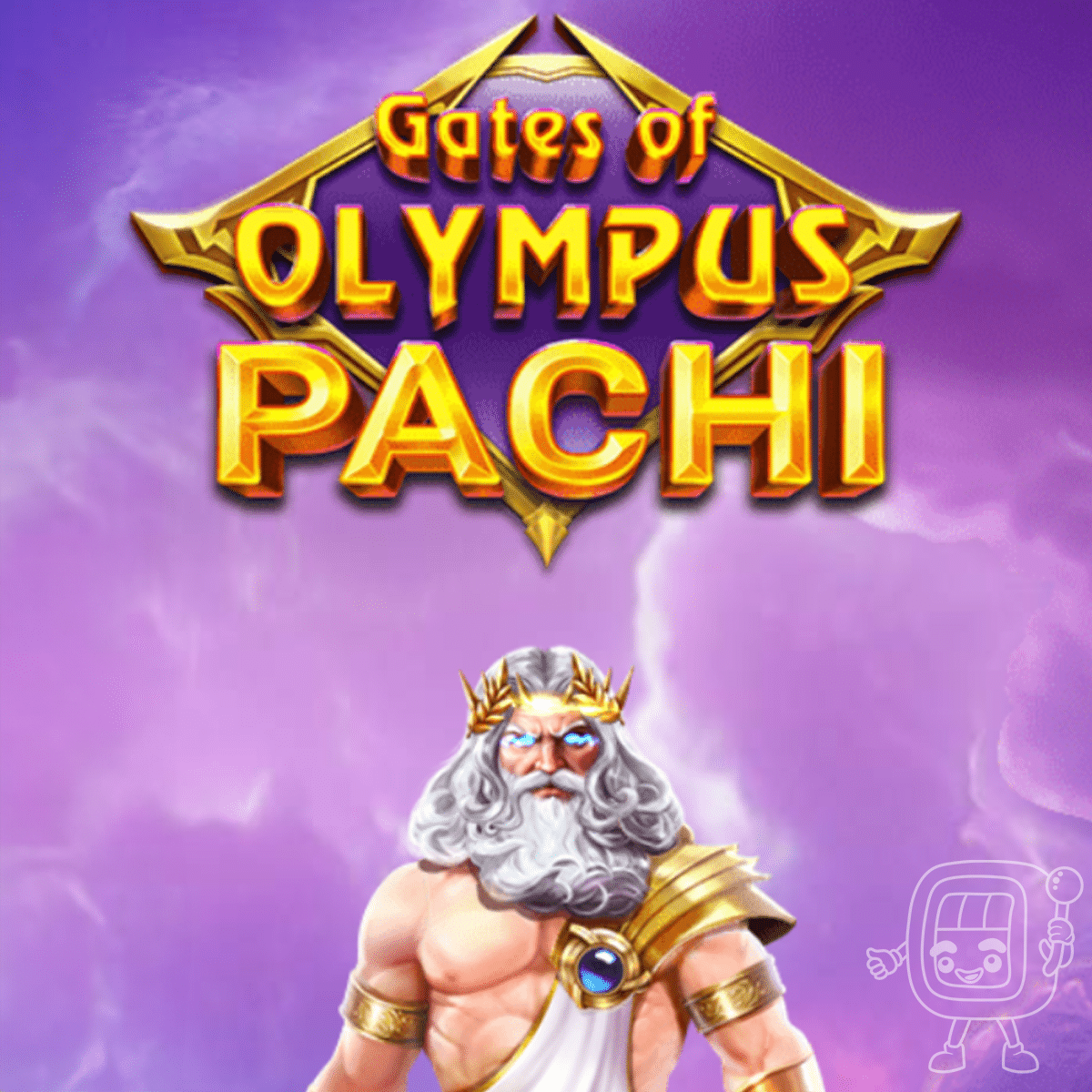
Gates of Olympus is a Pragmatic Play slot built around Greek mythology, rolling reels and multiplier globes https://gatesofolympus-au.com/. It isn’t a whole-site product. Australian players commonly find the title after seeking an expanding wilds feature, so it’s worthwhile pulling apart the marketing phrase and what the paytable truly reveals. This article explains how the game actually functions, where wild‑style effects get muddled with multipliers, and what to examine before you play.
Expanding Wild Symbols in Gates of Olympus: What the Feature Actually Means
A traditional expanding wild acts as a wild symbol that stretches to cover extra reel positions after it lands, often turning part of a reel or the whole reel wild for that spin. Gates of Olympus does not employ that mechanic in its standard rules. The game includes no expanding wild symbol that spreads across the grid. Its volatility comes from scatter pays, tumbles, multiplier orbs and a free‑spins round. The distinction is significant because players who search for expanding wilds may anticipate a feature that does not exist.
How a Conventional Expanding Wild Works
In many slots, an expanding wild stops on a reel and then grows upward or downward to fill that reel. If the expanded wild assists complete a winning line, the payout is computed with the wild standing in for regular symbols. Some titles also freeze expanded wilds during free spins or add respins. Gates of Olympus employs a different design, so readers shouldn’t assume a wild expansion will happen just because a search result uses that phrase.
The Alternative in Gates of Olympus
The game’s headline feature remains the multiplier orb, not an expanding wild. Orbs can display values like 2x, 5x, 10x, 50x, 100x or higher, with the top end commonly listed at 500x. These multipliers can be applied to wins according to the on‑screen rules, and they become particularly important during free spins. Zeus symbols serve as scatters that can trigger the bonus round, while tumble wins clear winning symbols and let new ones drop in.
Theme, Reels and the Mythological Greek Setup
Gates of Olympus is set on Mount Olympus and uses a bright, themed Greek mythology motif. Zeus is the central character, backed by images like a gold crown, a ring, a chalice, a gem and lower-value coloured orbs. The graphic style is deliberately dramatic, with lightning visuals and a temple setting. The theme isn’t just adornment: it defines the bonus wording, the Zeus scatter and the multiplier orbs that carry the game’s largest potential.
Pay Anywhere Rather Than Paylines
The game employs a six‑reel by 5-row grid, which is more expansive than many standard five‑reel slots. It does not hinge on fixed paylines. Instead, it uses a scatter‑pays system: eight or more identical symbols can create a win when they occur anywhere on the grid, according to the paytable. This changes how players view the screen, because symbol location is less important than the overall number of matching symbols in view.
The tumbling reels mechanic succeeds each winning combination. Winning symbols are cleared, remaining symbols descend into the gaps, and new symbols drop from above. If the new layout produces another win, the process continues within the same spin. This can stretch a single paid spin into a chain of wins, and it’s one factor the game appears faster and more variable than a conventional line‑based slot. The paytable outlines the minimum symbol counts for each payout.
Symbol values are tiered, with the Zeus scatter and multiplier orbs lying outside the ordinary paytable logic. The higher-value character symbols award more than the coloured orbs, and the paytable shows the exact thresholds for eight or more matching symbols. Because wins are tallied anywhere on the grid, a sizeable cluster can yield even when the symbols aren’t arranged in a row. Players should examine the symbol legend before contrasting the game with line‑based pokies.
Multiplier Balls, Cascades and the Standard Game
The standard game of Gates of Olympus isn’t a straightforward spin‑and‑stop experience. Every winning combination triggers a tumble, and the multiplier orbs can emerge alongside standard symbols. The balls carry numbers, usually ranging from 2x to 500x, and they are essential to the game’s larger wins. The specific manner they are accumulated and applied is set out in the instructions, so users should read that part rather than basing on guesses from other multiplier machines.
How Cascades Prolong a One Spin
When a winning combination lands, the winning symbols disappear and the leftover symbols fall. Fresh symbols occupy the vacant spots, and the machine verifies for another win. quick facts If another win occurs, the cycle repeats itself. This can produce a sequence of payouts from one paid spin, and each new tumble can boost the sum. The mechanic is similar in essence to other Pragmatic Play tumble slots, but the multiplier balls offer Gates of Olympus its own risk profile.
How Multiplier Orbs Integrate
Multiplier balls are not classified as growing wilds. They do not replace for standard symbols or span across columns. Alternatively, they alter the size of a winning combination when the game’s gathering conditions are met. In the base game, they can appear as a part of the drop sequence; in bonus spins, they can increase in importance because the bonus feature is built to build greater winning lines. Zeus symbols are scatter icons, not wilds, and 4 or more can activate the free spins feature.
Return to Player, Kolísavost and What Aussie Players Should Look For
Gates of Olympus is frequently shown with a return to player of around 96.5% in its standard version, although RTP can differ between game versions and platform configurations. The game is recognized for high volatility, frequently ranked at the top end of Pragmatic Play’s scale. That combination means wins may be less frequent than in low‑volatility games, while the chance for larger swings is greater. Players should verify the RTP shown in the exact game rules.
Interpreting RTP Variants
RTP is a long‑term theoretical figure, not a promise for a single session. A 96.5% setting means that, across a massive number of spins, the game is designed to return that proportion of stakes as wins. Individual sessions can deviate sharply, especially in a high‑volatility title. Some versions of a slot may use a alternate RTP setting, so Australian readers should examine the information panel attached to the precise game they are viewing rather than relying on a generic review.
Volatility shapes the rhythm of play. Gates of Olympus can produce long stretches without a significant return, then provide a large multiplier or a strong free‑spins sequence. That profile fits players who tolerate bigger swings and smaller stake sizes, but it can be uncomfortable for anyone expecting steady, frequent payouts. The game’s maximum win is commonly stated as 5,000x the total bet, and it doesn’t use a progressive jackpot in its standard form.
Wager Range, Max Win and Play Session Planning
The bet range in Gates of Olympus is usually displayed with a low stake about 0.20 and a high stake about 100 in many currency configurations. Australian dollar displays vary by the platform and local settings, so the exact minimum and maximum need to be confirmed in the game interface. The stake applies to the total spin, not to each reel or each symbol. Players should select a stake that keeps the session under a pre‑set budget.
Wager Sizes and Max Win Maths
Because the advertised maximum win is 5,000x the bet, the stake has a direct effect on the theoretical cap. At a 0.20 stake, 5,000x amounts to 1,000 in the game’s currency; at a 1.00 stake, it amounts to 5,000. These figures demonstrate the maths rather than ensure a result. The maximum win is an extreme outcome that depends on multiplier orbs, free spins and the game’s rules, and it ought not be viewed as an expected return.
Session planning is more crucial in a high‑volatility game than in a low‑volatility one. A player may set a loss limit, a time limit and a stake ceiling before the first spin. If the balance reaches the loss limit, the session ends; if the time limit is reached, the session also ends. Some versions of Gates of Olympus include optional features such as an ante bet or a bonus buy, but availability depends on market and platform.
Complimentary Spins, Scatter Symbols and Bonus Feature Anticipations
The bonus spins feature is the primary bonus feature in Gates of Olympus. Four or more Zeus scatter symbols are needed to trigger it, and the number of granted spins typically rises when 5 or 6 scatters appear. The exact spin count is indicated in the paytable and can differ by game version. During the round, multiplier orbs and tumbling reels remain central, and the potential for a large sequence is greater than in the base game.
Scatter Triggers and Re-trigger Rules
Scatters are symbols that do not need to sit on a payline; in a scatter-pays game, they are calculated across the grid. The Zeus symbol is the scatter symbol in Gates of Olympus, and its presence is the main trigger event. Some versions may allow more scatters during free spins to give extra spins, but players should check the retrigger rule in the exact game rules. The trigger is not an expanding wild feature, although both are described as bonus mechanics.
Free spins can feel unlike from the base game because the multiplier orbs may hold more weight and the tumble chains can last longer. A solitary strong sequence can yield a large win, but many bonus rounds will end without a maximum result. That’s the nature of high volatility. Australian players should judge the feature by its rules and variance, not by highlight videos that show only the best outcomes.
The bonus round does not negate the requirement for bankroll discipline. In fact, the faster pace and larger potential swings render a pre‑set limit more important. Players should know the stake, the number of spins awarded, the multiplier values in the current version and the maximum win cap before triggering or purchasing any feature. Those details are usually available in the game’s information screen.
How to Experience Gates of Olympus and Review the Expanding Wilds Statement
To try Gates of Olympus, a gambler first sets the total stake, then initiates the spin. The reels rotate, winning symbols are eliminated through the tumble mechanic, and multiplier orbs or Zeus scatters may show up. The paytable describes symbol values, scatter requirements and multiplier action. A demo mode, where available, is useful for understanding the rhythm without risking money. Australian readers should also confirm age requirements and local rules before any real‑money play.
The expanding wilds claim should be assessed against the game’s actual rules. Gates of Olympus doesn’t utilize a conventional expanding wild; its signature feature is the multiplier orb combined with tumbling reels and free spins. Players who especially want expanding wilds should contrast other slots that display that mechanic in their paytables. Players who like high‑volatility multiplier action will locate a more accurate match in Gates of Olympus.
A careful review should cover the RTP shown in the game, the volatility rating, the bet range in the local currency, the maximum win cap and the bonus rules. These details count more than a search phrase. The title’s promise of an expanding wilds feature is best treated as a prompt to check the mechanics, not as proof that the game features one. Gates of Olympus remains a multiplier‑driven slot with a Greek mythology theme.