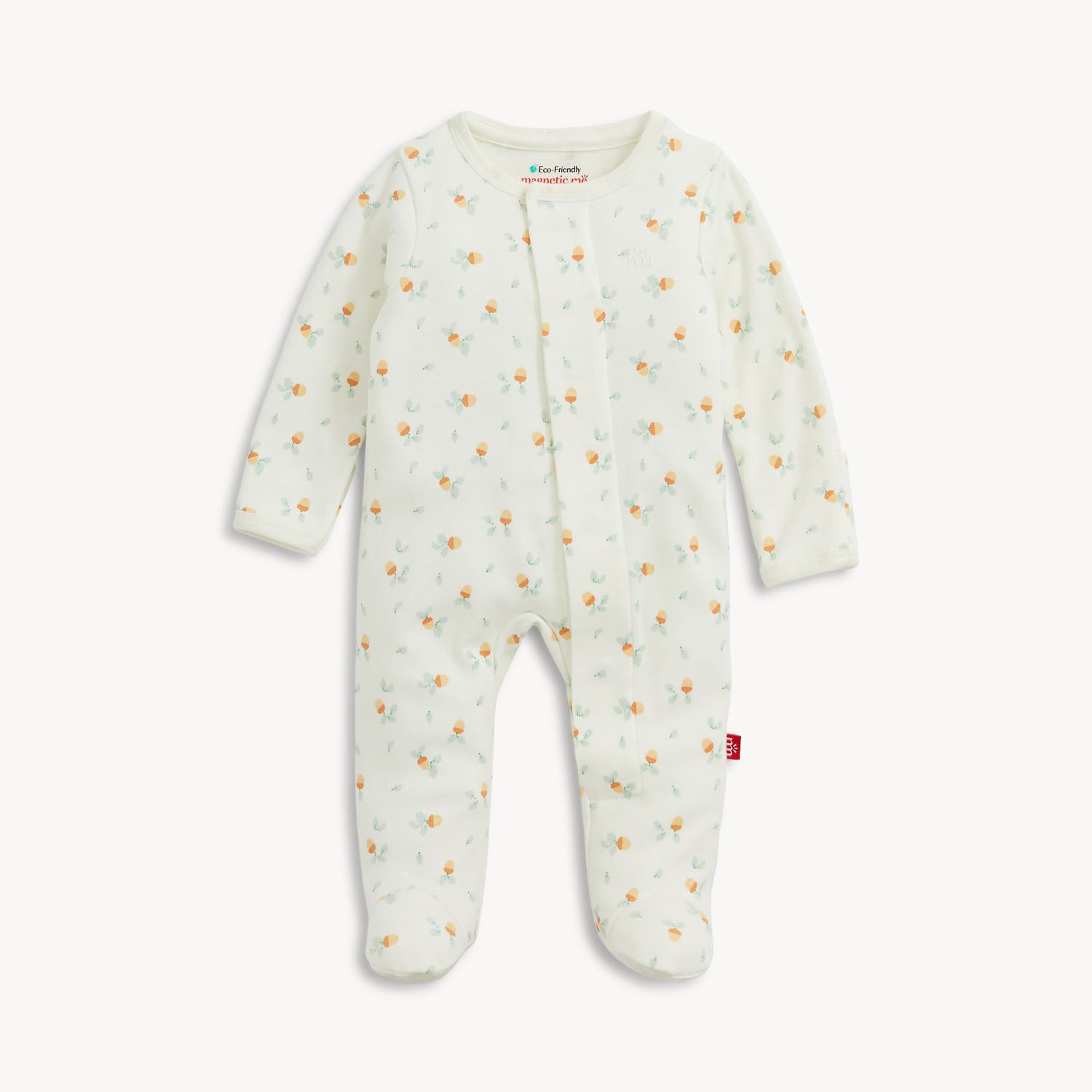
Practical Baby Clothes Buying Guide: Choosing Comfort and Quality
Preparing a clothing collection for a new baby is an exciting journey filled with endless cute choices. However, for new parents and gift-givers, navigating the world of infant fashion can quickly feel overwhelming. Between sizing charts, endless fabric options, and complex closure types, finding garments that offer genuine daily value requires a clear, practical plan. Building a functional closet starts with prioritizing core items that handle daily routines with ease. Incorporating soft, durable Baby onesies provides an essential base layer that keeps your infant snug, happy, and ready for whatever the day brings.
In this practical shopping guide, we will break down everything you need to know about purchasing infant clothing. We will examine sizing strategies, fabric selections, safety features, and smart wardrobe planning techniques to help you make stress-free, cost-effective decisions.
Understanding Baby Clothing Sizes and Fit
One of the biggest challenges when buying infant clothes is navigating size categories. Babies grow at astonishing rates during their first year, and clothing sizes can vary significantly between brands.
Size Tags vs. Real Dimensions
Size tags such as “3 Months” or “6 Months” are general guidelines rather than strict rules. Most manufacturers baseline these categories on the maximum weight and length of a baby in that age bracket. When shopping, always look at the brand’s specific weight and height recommendation chart rather than relying solely on the month label.
Planning for Rapid Growth Spurt Stages
During the first six months, infants frequently experience sudden growth spurts. Buying every item in newborn size often results in clothes that are outgrown before they are even worn once. It is wise to purchase a modest number of newborn essentials and invest more heavily in slightly larger sizes, such as 3-6 months and 6-9 months, to ensure long-term usability.
Room for Diaper Bulk
Baby clothing needs to accommodate both cloth and disposable diapers comfortably. Look for garments with flexible leg openings and stretchy gussets around the bottom area. This ensures the fabric does not pinch your child’s thighs or cause unwanted tightness across their lower back.
Evaluating Fabric Quality for Long-Term Value
The quality of the fabric determines how well a garment feels against sensitive skin and how well it survives repeated cycles in the washing machine.
The Superiority of Natural Fibers
Synthetic materials like polyester can trap sweat and heat, leading to discomfort and potential skin irritation. Natural, breathable fibers such as organic cotton, bamboo-derived viscose, and soft modal are far superior for daily wear. They offer silky softness, absorb moisture naturally, and keep your child comfortable in both warm and cool environments.
Checking Seams, Stitching, and Trim
Before making a purchase, inspect the internal seams of the clothing. Quality baby clothes feature flatlock or turned seams that lie completely flat against the skin, preventing friction. Avoid garments with stiff metallic threading, heavy plastic appliques on the inside, or rigid embroidery that could scratch your baby’s delicate body.
Flame Retardancy and Snug-Fit Standards
For sleepwear, safety standards require fabrics to be either naturally flame-resistant (without chemical treatments) or snug-fitting. Choosing snug-fitting cotton or bamboo sleepers guarantees safety without exposing your infant to harsh chemical additives.
Selecting Practical Closures for Fast Dressing
When dealing with late-night diaper changes or a wiggling baby, the type of closure on an outfit can make a world of difference.
Two-Way Zippers for Hassle-Free Access
Garments equipped with two-way zippers are a game-changer for parents. These zippers allow you to unzip the outfit from the bottom up, giving you full access for a diaper swap without exposing your baby’s upper body to cold air. Always ensure the zipper includes a protective top fabric tab to shield delicate chin skin.
Innovative Magnetic Fasteners
Magnetic closures are among the most innovative advances in modern baby clothing. Hidden safely inside layers of soft fabric, the magnets snap together quietly and automatically, enabling you to dress your baby or change a diaper in seconds, even in a dimly lit nursery.
Classic Durable Snaps
High-quality snap buttons remain a reliable choice, especially along the inseams of playwear. Look for nickel-free metal snaps that resist rusting and hold up securely against repeated pulling and washing.
How to Build a Budget-Friendly, Mindful Registry
Creating a baby registry or shopping list on a budget requires focusing on versatile staples over trendy one-time outfits.
Prioritizing Versatility Over Trendiness
While adorable holiday outfits and elaborate sets are fun, the vast majority of your baby’s days will be spent in comfy, simple garments. Focus your budget on core one-piece items, soft footed sleepers, and cozy socks or booties that get used every single day.
Stocking Up on Multi-Packs
Many brands offer multi-packs of foundational base layers at a great value. Stocking up on clean, solid-colored base items ensures you always have backup options ready when unexpected spills or diaper leaks happen throughout the week.
Gentle Laundry Prep for New Clothing
Always pre-wash new baby clothes before their first use. Use a gentle, fragrance-free, hypoallergenic detergent to remove manufacturing dust and guarantee maximum softness right out of the drawer.
Stylish and Fun Apparel Options for Active Days
As your baby matures into an active explorer who loves sitting, crawling, and playing, their wardrobe should blend easy flexibility with adorable aesthetic appeal. Single-piece play outfits eliminate the need for complicated coordination while offering maximum breathability. For cute, effortless dressing during playdates, sunny park outings, and daily family moments, choosing high-quality Baby rompers provides an ideal combination of style, convenience, and absolute physical comfort.
Conclusion
Shopping for baby clothes can be a satisfying, stress-free experience when you know what features to prioritize. By choosing breathable natural fabrics, smart closure designs, and versatile sizing options, you create a wardrobe that keeps your infant cozy while making daily routines effortless. Investing in quality basics protects your child’s sensitive skin and saves valuable time, letting you enjoy every sweet milestone with your growing child.
Frequently Asked Questions (FAQs)
What is the most important rule when shopping for baby clothes?
Prioritize fabric softness and daily convenience over intricate designs. Soft, natural fabrics like organic cotton with user-friendly zippers or magnets will always be the most practical choice.
Should I buy baby clothes based on age tags or weight?
Always rely on weight and length measurements provided on the brand’s size chart rather than the age month tag, as infant physical growth varies greatly between babies.
How do magnetic baby closures stay safe in the wash?
Magnetic closures are securely encased within inner fabric layers. Washing them on a gentle cycle with fasteners closed keeps them fully functional and completely safe through hundreds of laundry cycles.
How many daytime outfits does a baby typically need per week?
Having around 10 to 14 versatile daily outfits ensures you have enough clean clothes on hand to manage multiple daily outfit changes without needing to do laundry every day.