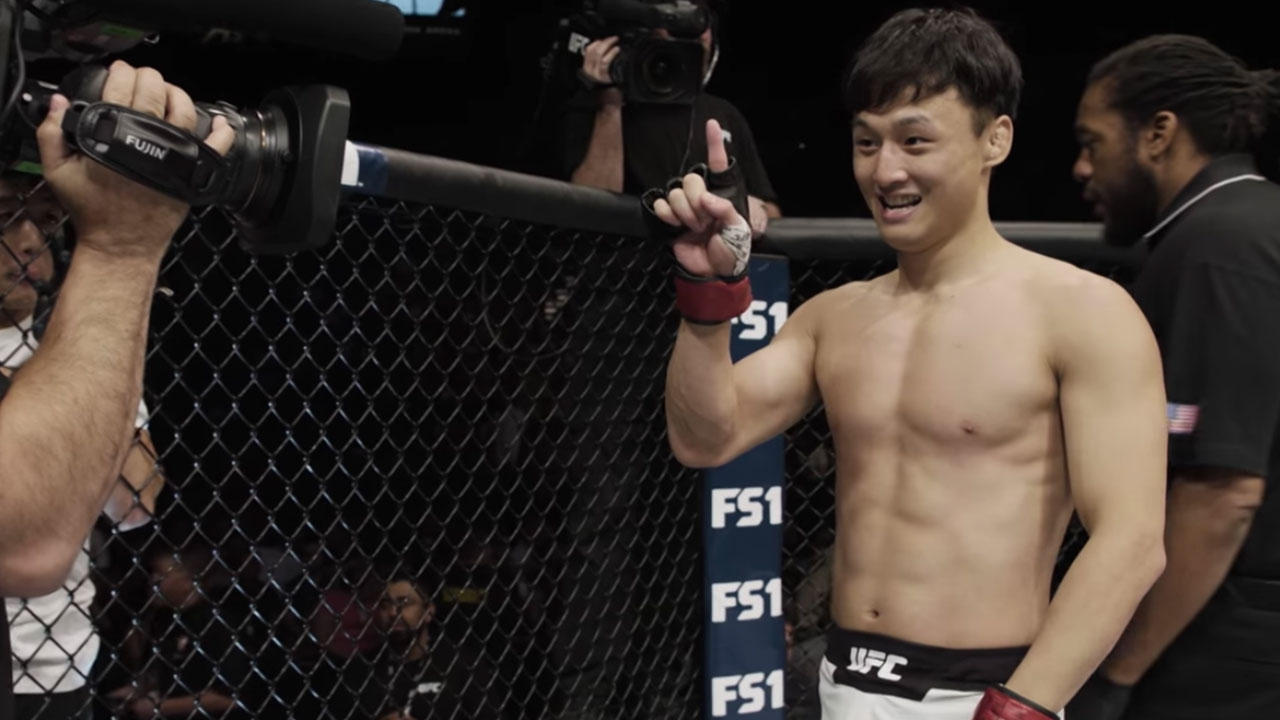
The rapid global expansion of mixed martial arts has showcased elite talent from every corner of the globe, with South Korea emerging as a premier hotspot for world-class combat sports talent. Over the past two decades, Korean fighters have captivated global audiences with their incredible technical precision, unwavering toughness, and exciting fighting styles. A pioneer of this thrilling wave is featherweight star Doo Ho Choi, whose explosive striking, legendary battles, and fan-favorite performances helped place South Korean combat sports firmly on the international map. From grassroots academies in Busan and Seoul to the bright lights of the UFC cage, the country’s martial arts ecosystem continues to thrive and inspire new generations of athletes.
+-------------------------------------------------------------------------+
|                  PILLARS OF SOUTH KOREAN MMA SUCCESS                    |
+-------------------------------------------------------------------------+
|  World-Class Academies | Top facilities like Busan Team MAD             |
|  Traditional Roots     | Strong foundation in Taekwondo, Judo & Ssireum |
|  Technical Synergy     | Seamless blend of striking & ground grappling   |
|  Global Visibility     | Main-card presence in premier global promotions |
+-------------------------------------------------------------------------+
The Evolution of Combat Sports in South Korea
South Korea has a rich cultural history of combat disciplines. Long before modern mixed martial arts gained widespread popularity, traditional martial arts provided a natural pathway for athletic development and competitive spirit.
Traditional Foundations
The physical and mental foundation of Korean martial artists is rooted in centuries-old traditions. Taekwondo developed exceptional spatial awareness, distance control, and high-velocity kicking mechanics. Meanwhile, Ssireum (traditional Korean wrestling) and Judo cultivated the leverage, balance, and core strength required for high-level takedowns and clinch control.
The Modern Adaptation
As mixed martial arts evolved into a unified global sport, Korean athletes quickly adapted to multidisciplinary competition. Rather than relying solely on a single style, fighters began integrating Western boxing, Muay Thai, wrestling, and Brazilian Jiu-Jitsu into complete, well-rounded skill sets capable of competing against the best fighters in the world.
Key Factors Driving the Growth of Regional Talent
The success of Korean combat sports is built upon a strong network of training centers, supportive fanbases, and structured competitive platforms.
Top-Tier Gym Culture and Team Spirit
Central to South Korea’s combat sports success is its unique gym culture. Facilities such as Busan Team MAD have gained international acclaim for producing world-class talent. These gyms foster an environment of shared growth, intense sparring, and mutual respect, allowing both veterans and rising prospects to elevate their skills together.
-
Comprehensive Coaching: Integrated staffs featuring head strategists, striking coaches, submission grappling experts, and strength specialists.
-
Supportive Environment: Senior fighters mentor younger athletes, passing down vital fight week experience and tactical knowledge.
-
High-Level Sparring: Daily technical exchanges with elite partners prepare athletes for the pressure of international competition.
Regional Promotions as Stepping Stones
Domestic and regional promotions play an essential role in talent development. Platforms like Road FC and Black Combat provide structured environments where young fighters can gain valuable cage experience, test their skills against diverse opponents, and build professional records before stepping onto global stages.
Elite Technical Mastery Across All Phases of Combat
Modern Korean fighters are widely respected for their tactical versatility and high fight IQ. Winning at the highest level requires seamless transitions between standing exchanges, clinch wrestling, and ground control.
| Phase of Fighting | Primary Disciplines | Technical Impact |
| Distance Striking | Taekwondo, Boxing, Muay Thai | Controls distance, creates knockout angles, and manages tempo |
| Clinch & Takedowns | Judo, Ssireum, Freestyle Wrestling | Dictates fight location and neutralizes incoming pressure |
| Ground Mechanics | Brazilian Jiu-Jitsu, Catch Wrestling | Provides strong positional defense, sweeps, and submission threats |
By mastering each phase, fighters maintain composure whether trading heavy punches on the feet or grappling for positional advantage on the mat.
Inspiring Trailblazers and Iconic Figures
The foundation of South Korea’s success in combat sports was built by groundbreaking figures who proved that Asian fighters could compete and win at the highest level of international competition.
A cornerstone figure in this history is legendary welterweight pioneer Dong Hyun Kim, widely known to fans as “Stun Gun”. As one of the most successful Asian fighters in UFC history, his dominant judo throws, overwhelming top control, and impressive win record paved the way for every Korean athlete who followed in his footsteps. His trail-blazing career demonstrated that dedication, technical grappling, and relentless work ethic lead directly to long-term success on the global stage.
Conclusion
The story of mixed martial arts in South Korea is one of continuous growth, athletic excellence, and profound dedication to the martial arts spirit. Supported by legendary pioneers, top-tier academies, and an enthusiastic fanbase, the nation continues to produce exciting fighters who leave an indelible mark on the sport. Whether you are a lifelong fan or new to combat sports, following the incredible journeys of these athletes offers a inspiring look into human strength, determination, and sportsmanship.
Frequently Asked Questions (FAQs)
What martial arts backgrounds are most common among Korean fighters?
Most Korean athletes start with a strong base in traditional striking or grappling arts, such as Taekwondo, Judo, or Ssireum, before expanding their skills with boxing, Muay Thai, wrestling, and Brazilian Jiu-Jitsu.
How do regional promotions help young fighters develop?
Regional promotions offer structured feeder leagues and tournament formats that allow up-and-coming martial artists to build valuable cage experience, adapt to professional rules, and gain fan recognition before competing globally.
Why is gym culture so important in South Korean combat sports?
Korean gym culture places a heavy emphasis on team unity, continuous learning, and mutual respect. Training at elite academies gives fighters access to top-tier coaching, diverse sparring partners, and strong support networks.
Where can fans keep up with Asian combat sports news and athlete profiles?
Independent publications, official promotion channels, and combat sports media platforms provide comprehensive coverage, fighter interviews, and event breakdowns for regional and global events.