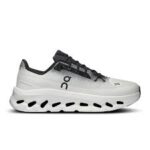
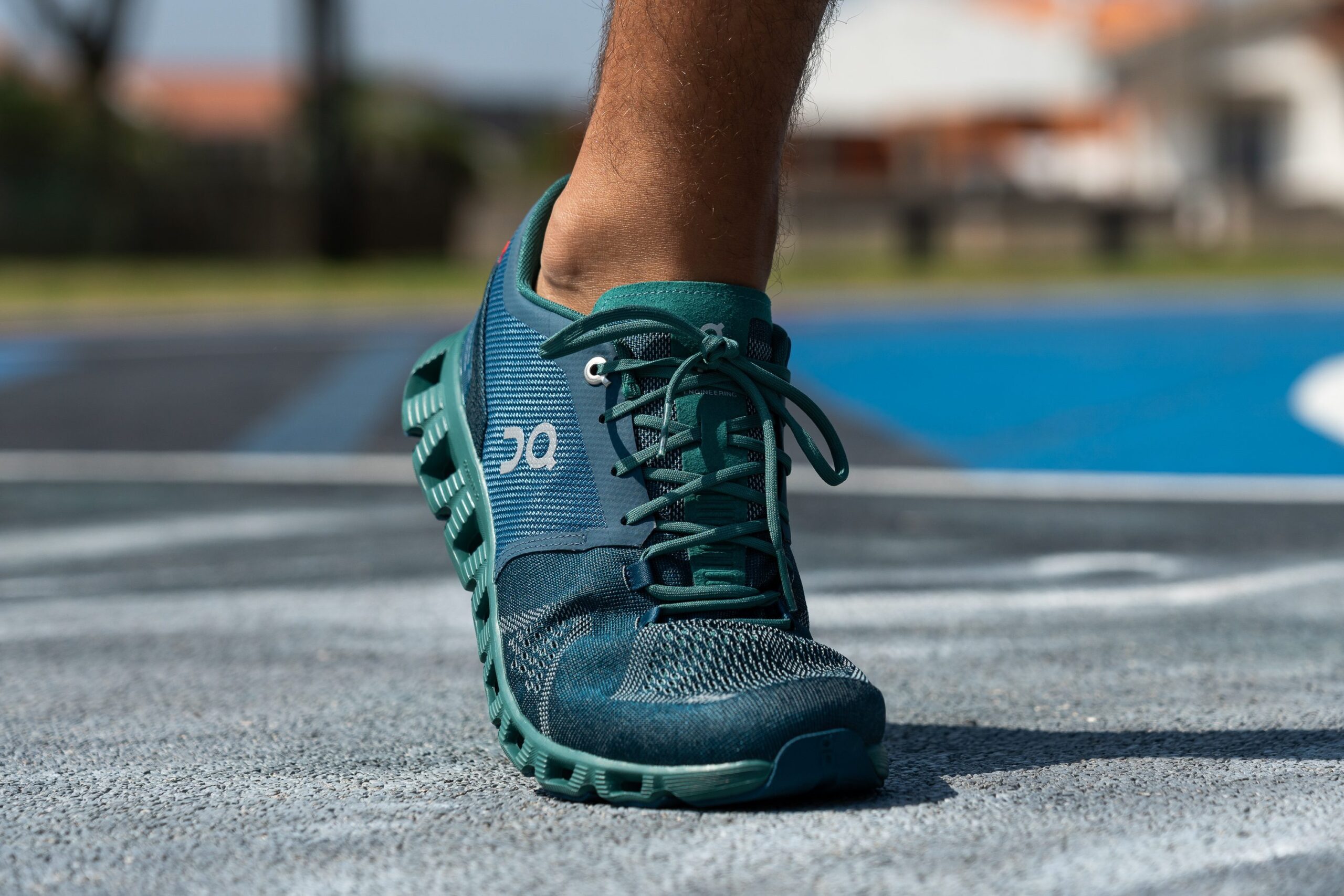
On Cloud shoes have become one of the most recognizable running and lifestyle footwear options, competing with established brands like Nike, Adidas, ASICS, and Brooks. Their performance is often judged based on cushioning, stability, durability, weight, and versatility. While On Cloud shoes On focuses on lightweight design and unique CloudTec cushioning, other brands prioritize either maximum comfort, structured support, or long-term durability. Understanding these differences helps determine which brand truly performs better overall depending on running style, foot type, and usage needs.
Cushioning and Comfort Comparison
On Cloud shoes use CloudTec pods that compress on landing and firm up during push-off, creating a responsive but sometimes firm feel. Many runners describe them as lightweight but not extremely soft under heavy impact compared to traditional foam-based systems. In contrast, brands like ASICS and Brooks use thicker midsole foams that offer more plush cushioning for long-distance comfort. Nike and Adidas often balance softness with bounce, making them feel more cushioned during casual wear and extended runs, especially for runners who prioritize comfort over ground feel.
Performance and Running Efficiency
On Cloud shoes are designed for efficiency and speed, often feeling light and quick during short to medium runs. Their structure encourages a natural stride but may feel less energetic during longer endurance sessions due to limited foam rebound. Other brands like Nike and ASICS tend to deliver more “spring” and energy return in modern models, especially racing shoes. Brooks focuses more on steady performance and support rather than aggressive speed. Overall, On performs well for light runners, while competitors often outperform it in high-mileage training or marathon conditions.
Stability and Foot Support
When it comes to stability, Brooks and ASICS generally outperform On Cloud shoes. Brooks offers dedicated support systems like GuideRails that help control overpronation and improve alignment. ASICS also provides structured stability models suitable for different foot types. On Cloud shoes mostly stay in the neutral category, meaning they lack advanced corrective support features. This makes them less ideal for runners needing extra arch support or motion control, but suitable for those with neutral gait who prefer a natural foot movement experience.
Durability and Build Quality
Durability is another area where differences are clear. On Cloud shoes are lightweight, but some users report quicker wear in the outsole and upper materials, especially with frequent use. Their minimalist construction reduces weight but can impact long-term lifespan. In comparison, Brooks and ASICS are known for stronger build quality and longer-lasting midsoles. Nike and Adidas also offer durable options, especially in higher-end running models. Overall, if longevity is a priority, traditional running brands tend to outperform On in durability tests and real-world usage.
Weight and Design Innovation
One of On Cloud’s strongest advantages is its ultra-lightweight design. The brand is built around minimal weight and a modern, stylish aesthetic that stands out from traditional running shoes. This makes On popular for casual wear, gym workouts, and light running. Competing brands are often slightly heavier due to extra cushioning and support systems, but they compensate with better comfort and performance over long distances. In terms of innovation, On leads in design uniqueness, while Nike and ASICS lead in performance engineering.
Versatility for Different Activities
On Cloud shoes are highly versatile for everyday use, gym sessions, walking, and short runs. However, they are less specialized for extreme performance categories like long-distance marathon training or trail running. Brands like ASICS and Brooks offer more specialized models for different terrains and runner needs, including stability shoes, trail shoes, and max-cushion trainers. Nike also provides a wide range of performance categories, making it more adaptable for athletes with varied training routines compared to the more niche approach of On.
Final Verdict on Overall Performance
Overall, On Cloud shoes perform best in lightweight comfort, modern design, and short-to-medium distance running, but they are not the strongest choice for On Cloud 5 maximum cushioning, stability, or durability. Brooks and ASICS generally outperform them in structured support and long-distance comfort, while Nike often leads in energy return and racing performance. Adidas balances comfort and style but still offers more foam-based cushioning. In conclusion, On Cloud is excellent for style and everyday performance, but other major brands usually deliver better all-around running performance for serious training needs