In the world of streetwear, brands rise, evolve, and sometimes fade — all while their reputations are debated in fashion circles, online forums, and street style scenes. Trapstar is one such label. Once heralded as a trailblazer of UK urban fashion, Trapstar’s cultural relevance today is a topic of endless debate: Is it still cool? Or has it become overhyped relic of a past era? This breakdown cuts through buzzwords, perceptions, and nostalgia to give you a clear, honest analysis of Trapstar’s place in 2026.
The Origins: How Trapstar Became a Streetwear Phenomenon
Founded in London in the late 2000s, Trapstar emerged from gritty urban culture with a raw, underground energy that few brands could replicate. Early adopters embraced it because it felt authentic, edgy, and tied to music, art, and street identity rather than corporate fashion ideals.
Key reasons Trapstar first became cool:
-
Ties to UK underground music and grime scenes
-
Bold graphics and confrontational messaging
-
Celebrity endorsements (by heavy hitters like Rihanna and Kanye West)
-
Limited early releases that felt genuinely scarce
In the early 2010s, Trapstar was more than just clothing — it was cultural capital. Wearing Trapstar wasn’t just about style; it was about attitude, defiance, and belonging to something real.
Cultural Peak: When Trapstar Ruled the Streetwear Conversation
Trapstar’s influence peaked around the mid-2010s. It wasn’t just a UK story — major fashion capitals took notice. High-profile collaborations and celebrity sightings elevated its status from niche label to international legend.
Highlights from its peak years include:
-
Rihanna wearing Trapstar in high-visibility settings
-
Fashion Week acknowledgements
-
Cross-continental fan appeal
-
Mainstream celebrity collaborations
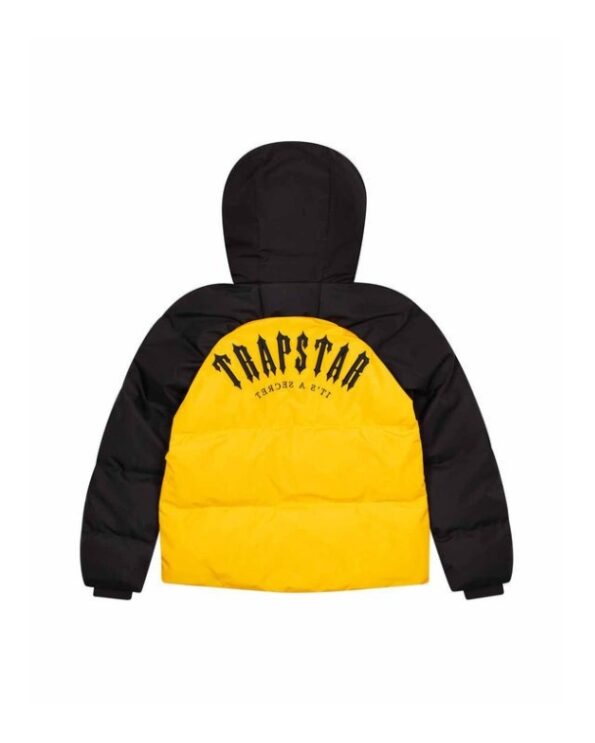
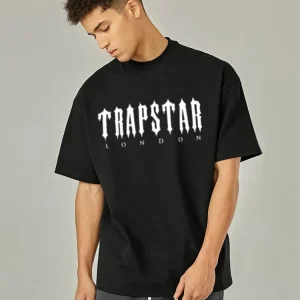
During this era, Trapstar felt like “the brand to be seen in.” Its graphic hoodies, statement tees, and bomber jackets were symbols of urban cool that transcended local scenes.
So, What Happened? From Iconic to Divisive
Today, some people still revere Trapstar as a foundational streetwear label, while others argue it’s overhyped and outdated. To understand why opinions vary so widely, we need to unpack several key dynamics:
1. The Shift from Scarcity to Availability
In its early days, Trapstar operated with relative scarcity — a deliberate tactic that built urgency and status. As the brand grew, wider production reduced that scarcity, and with it, the cultural cachet it once commanded.
When a brand becomes too easy to find, it stops being a status signal and starts feeling mainstream.
2. The Rise of New Streetwear Voices
Streetwear evolves fast. Newer brands with fresh energy, aesthetics, and storytelling have emerged since Trapstar’s heyday. Many of them offer design innovation, community engagement, or cultural relevance that feels more aligned with today’s generation.
While Trapstar helped shape the streetwear landscape, it now competes with brands that are pushing boundaries in ways it hasn’t fully kept up with.
3. Mixed Public Perception
Trapstar’s bold graphics and confrontational messaging were once part of its appeal. Today, such aesthetics divide opinion — some see them as timeless, others as dated or overdone.
Fashion isn’t static — what was once edgy can become cliché if it doesn’t evolve or adapt.
Why Trapstar Still Has Real Cultural Value
Despite the debates about its relevance, Trapstar is far from irrelevant. Here’s why it continues to matter in 2026:
Legacy and Influence
Trapstar helped pave the way for UK streetwear on the global stage. Many local brands today owe part of their platform to the trail Trapstar blazed.
Its early success proved that authentic urban fashion could break out of regional bubbles and attract global attention — a lesson countless brands still follow.
Ever-Present in Streetwear History
Trapstar’s influence is ongoing because it’s part of the modern streetwear canon. Even critics reference it as a benchmark — either to associate with its early authenticity or to argue how streetwear should evolve.
Being a point of comparison keeps the brand relevant in cultural discussions.
Resonance Among Loyal Fans
In streetwear, loyalty counts. Many longtime fans still purchase Trapstar pieces not because they’re trending, but because they represent a moment, a mindset, and a history that newer brands lack.
For this demographic, Trapstar isn’t overhyped — it’s timeless.
Where Trapstar Falls Short in Today’s Market
Although Trapstar still has value, there are valid critiques that explain why some believe it’s overhyped:
Lack of Consistent Innovation
Streetwear thrives on evolution — fresh graphics, new silhouettes, forward-thinking collaborations. Some critics argue that Trapstar hasn’t innovated enough to stay ahead of trends, instead relying on legacy designs or past formulas.
Overreliance on Nostalgia
Nostalgia can be powerful, but it isn’t a sustainable growth engine. If a brand’s appeal is anchored primarily in memories of its peak rather than ongoing creativity, it risks being seen as a relic.
Visibility vs. Influence
Just because a brand is visible (via celebrities or resellers) doesn’t mean it drives culture. Trapstar remains visible, but some argue its influence today is more reflective of its legacy than its current creativity or cultural impact.
Trapstar vs. New Wave Streetwear: A Comparative Lens
To truly assess whether Trapstar is still cool, we should compare it to emerging brands that define 2026:
| Criteria | Trapstar | New Streetwear Brands |
|---|---|---|
| Cultural Innovation | Moderate | High |
| Design Evolution | Steady, historically rooted | Rapid, trend-forward |
| Brand Scarcity | Lower (broader availability) | Higher (limited drops) |
| Community Engagement | Loyal fanbase | Highly interactive |
| Market Perception | Nostalgic respect | Fresh excitement |
This table highlights where Trapstar shines — and where newer brands have gained ground.
The Resale Perspective: Does That Equal Coolness?
Resale markets often reflect hype more than cultural relevance. Some Trapstar pieces still fetch high resale prices, but high resale value doesn’t always indicate ongoing influence — it can reflect past popularity or collector demand.
In comparison, newer streetwear brands with rising resale traction often represent current momentum rather than nostalgic valuation.
Final Verdict: Cool, Overhyped, or Both?
Here’s the honest conclusion after dissecting Trapstar’s trajectory:
✅ Trapstar Is Still Cool — in Context
-
It retains cultural significance among loyal fans
-
It helped shape global streetwear and remains a respected name
-
Its legacy continues to influence conversations about fashion history
❌ Trapstar Is Overhyped — Compared to Modern Innovation
-
It doesn’t lead trends like emerging brands
-
It leans on legacy more than radical reinvention
-
Its scarcity and exclusivity have diluted with wider availability
📌 The Balanced Reality
Trapstar isn’t objectively overhyped — but it’s no longer the cultural powerhouse it once was. It sits in a nuanced space: respected, historically significant, but not necessarily “on the cutting edge” in 2026.
For many, Trapstar remains cool — but for others, it’s a nostalgic artifact that’s been eclipsed by a new generation of streetwear innovators.
Where Trapstar Fits in Today’s Wardrobe
If you’re considering Trapstar in 2026, ask yourself:
🟦 Are you drawn by legacy and personal style history?
➡ That means Trapstar is still cool to you.
🟥 Are you seeking the future of streetwear?
➡ You might find fresher voices to follow.
In fashion, “cool” is subjective. What’s timeless to one person is overdone to another. Trapstar remains relevant for those who value its roots, but it doesn’t dominate the cultural conversation the way it once did. https://londonsecrets.icu/