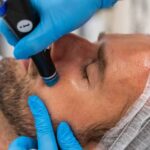
Intense Pulsed Light (IPL) devices are widely used for at-home hair reduction and selected professional cosmetic treatments. Although these devices can offer convenience, their effectiveness and safety depend on correct operation. User instructions provide essential information about preparation, compatible skin types, treatment techniques, and recommended usage schedules. Without understanding these guidelines, users may make mistakes that lead to discomfort, skin irritation, or disappointing results. Reading the manual before beginning treatment is therefore an important step toward using IPL technology responsibly and developing realistic expectations.
Learning How IPL Technology Works
Understanding the basic principles of IPL technology helps explain why following instructions matters. IPL devices emit broad-spectrum pulses of light that interact with targeted pigments, particularly melanin in hair during hair reduction treatments. The absorbed light produces heat that affects structures involved in hair growth. However, the amount of energy delivered must be appropriate for the user’s skin tone and the intended treatment area. Incorrect settings or unsuitable applications may increase the risk of burns and pigmentation changes. Manufacturer instructions explain how the device should be operated within its intended limits getcrystalskin.com.
Identifying Suitable Skin Tones and Hair Colors
One of the most important purposes of an IPL manual is explaining who can safely use a particular device. Many home-use IPL systems work best on certain combinations of lighter skin tones and darker hair because the treatment relies on pigment absorption. Very dark skin may absorb excessive light energy, while white, gray, red, or very light blonde hair may respond poorly. These limitations vary by device, making it essential to review the manufacturer’s compatibility chart. Following these recommendations helps users avoid unsuitable treatments and reduces the likelihood of preventable skin injuries.
Preventing Common Treatment Mistakes
Clear instructions help beginners avoid errors that may compromise their experience with IPL devices. Common mistakes include treating the same area too frequently, selecting an inappropriate intensity, flashing over tattoos, and using the device on irritated or damaged skin. Some users also assume that applying more energy will produce faster results, even though excessive intensity can increase the risk of adverse reactions. The user manual explains appropriate positioning, treatment intervals, and prohibited areas. Understanding these details before starting can improve consistency while reducing avoidable mistakes throughout the treatment process.
Preparing the Skin Before Each Session
Proper preparation is an essential part of an IPL treatment routine. Depending on the manufacturer’s instructions, users may need to shave the intended treatment area, ensure the skin is clean and dry, and remove products that could interfere with application. Certain devices also require users to avoid recent tanning or excessive sun exposure. Preparation requirements can differ between models, so general advice should never replace the specific instructions provided with the product. Following the recommended preparation process creates a more controlled treatment environment and helps users identify potential risks before activating the device.
Choosing the Correct Energy Settings
IPL devices may include several intensity levels designed to accommodate different compatible skin types and treatment areas. Instructions explain how to select an appropriate setting and whether a patch test is required before treating a larger area. Starting with an unsuitable intensity can cause unnecessary discomfort, while increasing the setting beyond recommended limits may result in burns or other skin reactions. Users should never assume that the highest available level is automatically the most effective choice. Following the manufacturer’s guidance helps establish a safer approach to treatment and supports consistent use over time.
Understanding Treatment Schedules and Expected Results
IPL hair reduction generally requires multiple sessions because hair follicles pass through different growth phases. A single treatment cannot affect every hair equally, which explains why consistent scheduling is important. User instructions usually describe the recommended intervals between sessions and explain when maintenance treatments may be appropriate. Treating the same area more frequently than directed does not guarantee faster progress and may increase irritation. By following the prescribed schedule, users can monitor their progress more accurately and maintain realistic expectations about the gradual nature of long-term hair reduction.
Recognizing Safety Warnings and Contraindications
Safety warnings help users determine when IPL treatment should be avoided or postponed. Certain medications, photosensitivity, active skin conditions, recent tanning, and particular treatment areas may create additional risks. Devices also commonly prohibit direct use around the eyes and on specific sensitive areas. Tattoos and dark pigmented spots may require special precautions or complete avoidance, depending on the manufacturer’s guidance. Individuals with medical concerns should consult a qualified healthcare professional before treatment. Reading contraindications carefully helps prevent potentially serious mistakes and encourages users to prioritize skin health over cosmetic results.
Maintaining the Device Correctly
Proper maintenance can influence the reliability and useful lifespan of an IPL device. Manufacturer instructions explain how to clean the treatment window, store the equipment, inspect components, and handle charging or electrical connections safely. Users should never immerse the device in water or apply cleaning products unless the manual explicitly permits them. Damaged components, blocked ventilation openings, or a dirty treatment window may interfere with proper operation. Regularly checking the device according to its maintenance guidelines helps preserve its condition and reduces the risk of equipment-related problems during future sessions.
Improving Confidence and Treatment Consistency
For beginners, unfamiliar technology can make the first IPL session feel complicated. A well-written manual provides a clear sequence of steps, from checking compatibility to preparing the skin and completing treatment. Understanding the process reduces uncertainty and makes it easier to establish a consistent routine. Users should also keep track of treatment dates and any skin reactions, following the manufacturer’s recommendations when adjusting their routine. If instructions are unclear, contacting the manufacturer or consulting a qualified professional is preferable to experimenting with settings or techniques that have not been approved.
Making IPL Use Safer Through Informed Decisions
User instructions are not merely additional paperwork; they are an essential resource for responsible IPL operation. They explain the device’s limitations, appropriate treatment methods, safety precautions, maintenance requirements, and realistic performance expectations. Ignoring these details can increase risks without improving results. Before purchasing or using an IPL device, review its documentation and confirm that the technology is appropriate for your individual needs. By understanding and following the manufacturer’s guidance, users can make better-informed decisions, reduce avoidable mistakes, and approach their personal hair reduction routine with greater confidence and care.