
As we move through April 2026, the British farming landscape is facing a complex energy reality. With standard diesel prices climbing toward 181p per litre and red diesel averaging 135.99p per litre (excl. VAT), managing energy has become as vital as managing the soil. From the rising costs of traditional fuels to the rapid adoption of HVO, this guide simplifies the essentials of energy management for the modern farm.
1. Finding the Right Farm Fuel Suppliers
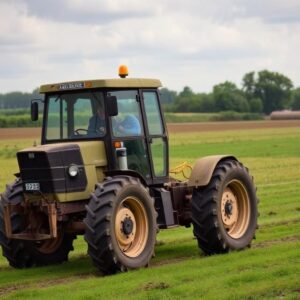
Choosing between farm fuel suppliers in 2026 is about much more than just finding the lowest price on a single day. You need a partner who understands that the agricultural cycle waits for no one and that a delay in delivery during the harvest window can be devastating. Because global fuel prices currently change almost every hour, you need a supplier who is honest about their costs and transparent about their delivery times. A reliable supplier will share market insights and advise you on the best times to fill your tanks, helping you avoid sudden price spikes that could hurt your yearly budget.
2. Navigating Red Diesel Delivery and Tax Changes
The logistics of red diesel delivery remain the lifeblood of off-road machinery, providing the power needed for tractors, balers, and sprayers. However, the financial landscape is shifting this year; the government has confirmed that the temporary 5p fuel duty cut will begin to expire soon. Starting September 1, 2026, fuel duty will rise by 1p, with further 2p increases scheduled for December and March 2027. Forward-thinking farmers are already coordinating with their suppliers to secure bulk deliveries before these hikes take effect to keep their operational costs manageable.
3. Getting Your Farm Fuel Delivery on Time
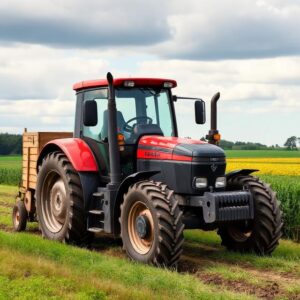
British farming is entirely dependent on the weather, meaning that when the sun is out, the pressure to work is at its highest. You simply cannot afford to have a tractor sitting idle because you ran out of gas oil in the middle of a planting cycle. Modern farm fuel delivery services solve this by using “smart tanks” fitted with electronic sensors that link directly to the supplier’s dispatch office. These sensors monitor your levels in real-time and automatically alert your supplier when you are running low, ensuring a tanker arrives at your yard before you even realize you’re in trouble.
4. The Growing Need for Farm Fuel Additives
Modern tractor engines are incredibly efficient, but they are also quite sensitive to the quality of the fuel they burn. Because modern fuel now contains higher levels of renewable “bio” ingredients to meet environmental rules, it is more likely to absorb moisture from the air during storage. This moisture can lead to “diesel bug”—a thick, slimy bacteria that grows inside your tanks and clogs up your filters. Using farm fuel additives is a simple and inexpensive way to keep your fuel stable, stop it from going bad during the winter, and save you thousands of pounds in potential engine repairs.
5. Industrial Heating Oil for the Yard
If your farm business includes drying grain or keeping large livestock sheds at a specific temperature, you likely require industrial heating oil. This specialized fuel is formulated for heavy-duty boilers and heaters rather than mobile machinery, providing a steady and reliable source of heat. It is generally more cost-effective than using red diesel for heating purposes, and most industrial oil suppliers can deliver it in the same trip as your machinery fuel. This helps you keep your logistics simple and reduces the number of heavy vehicles driving up and down your farm tracks.
6. Heating the Farmhouse with Domestic Heating Oil
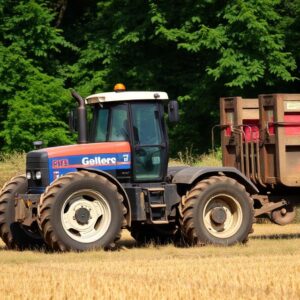
Most UK farms are located in remote areas not connected to the main gas grid, meaning the farmhouse depends on domestic heating oil, also known as kerosene. Keeping your home warm is just as important as keeping the tractors running, especially during the long, damp nights of a British spring. Many farm families now choose to top up their domestic tanks during the summer months when demand is lower and prices are historically more stable. This strategy helps avoid the higher prices and long delivery wait times that often occur when the first frost hits and everyone calls at once.
7. Choosing a Domestic Fuel Delivery Service
When you order a domestic fuel delivery, it often makes sense to use the same company that handles your commercial business fuel. By consolidating your home and business energy accounts with one supplier, you can often negotiate a better overall rate per litre. Additionally, using a single supplier means fewer large tankers visiting your property, which reduces wear and tear on your roads and minimizes the carbon footprint of your deliveries. It is a win-win for both your wallet and your farm’s infrastructure, providing a more streamlined approach to energy management.
8. HVO: The Future of Green Energy
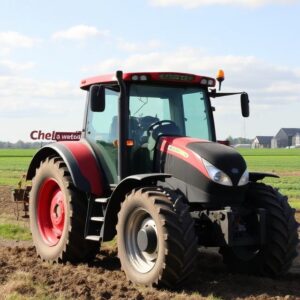
As we look toward a more sustainable future, many farmers are now contacting HVO fuel suppliers to try a cleaner alternative to fossil fuels. HVO (Hydrotreated Vegetable Oil) is a high-quality diesel made from waste fats and oils that would otherwise go to landfills. It can be poured straight into your existing tractor without any changes to the engine, making it a “drop-in” green solution that requires no new equipment.
HVO fuel suppliers are seeing huge demand in 2026 for several key reasons:
-
Massive Carbon Savings: It reduces your engine’s net CO2 emissions by up to 90%, helping you meet new environmental standards.
-
Long Shelf Life: While regular diesel can go “off” in a year, HVO can sit in a tank for up to 10 years without spoiling or growing slime.
-
Winter Reliability: It doesn’t get thick or “wax up” in freezing weather, meaning your machines will start instantly even on the coldest mornings of the year.
9. Storing Fuel Safely and Legally

Storing fuel in 2026 comes with strict responsibilities to protect the environment. Under the current SSAFO regulations, any farm storing more than 1,500 litres of fuel must use a “bunded” tank—essentially a tank within a tank that can hold 110% of the fuel. These tanks must be kept at least 10 metres away from inland freshwaters (like ditches or streams) and 50 metres away from wells or boreholes. Using a high-quality steel bunded tank is often recommended for farms, as they offer better security against fuel theft and higher impact resistance for busy yards.
Summary
Managing a farm in 2026 requires a smart plan for your energy. By building a strong relationship with your suppliers, keeping your fuel stabilized with additives, and exploring modern options like HVO, you can keep your costs manageable and your equipment healthy. Whether you are powering a busy harvest or keeping your home comfortable, the right fuel plan is the foundation of a successful and resilient farm.